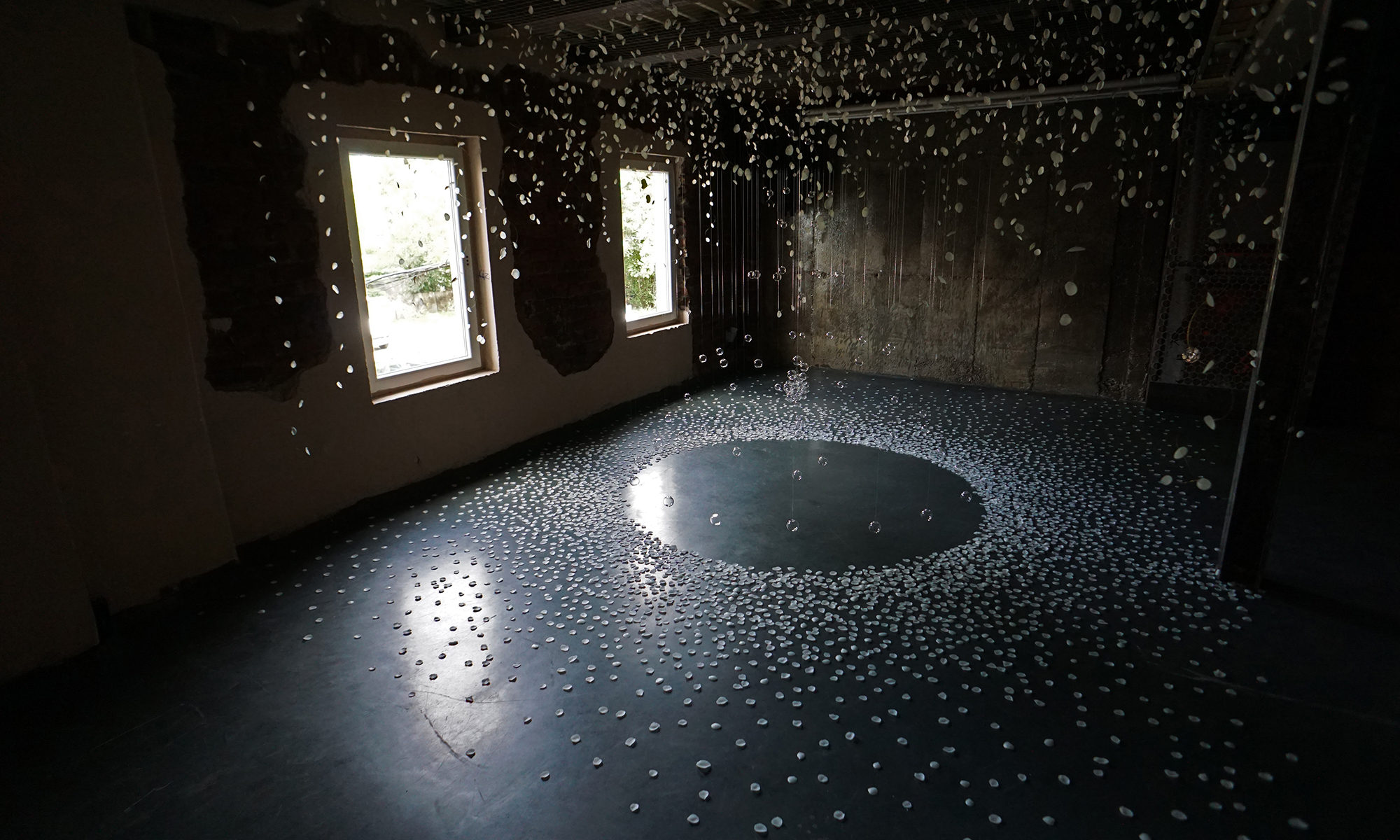
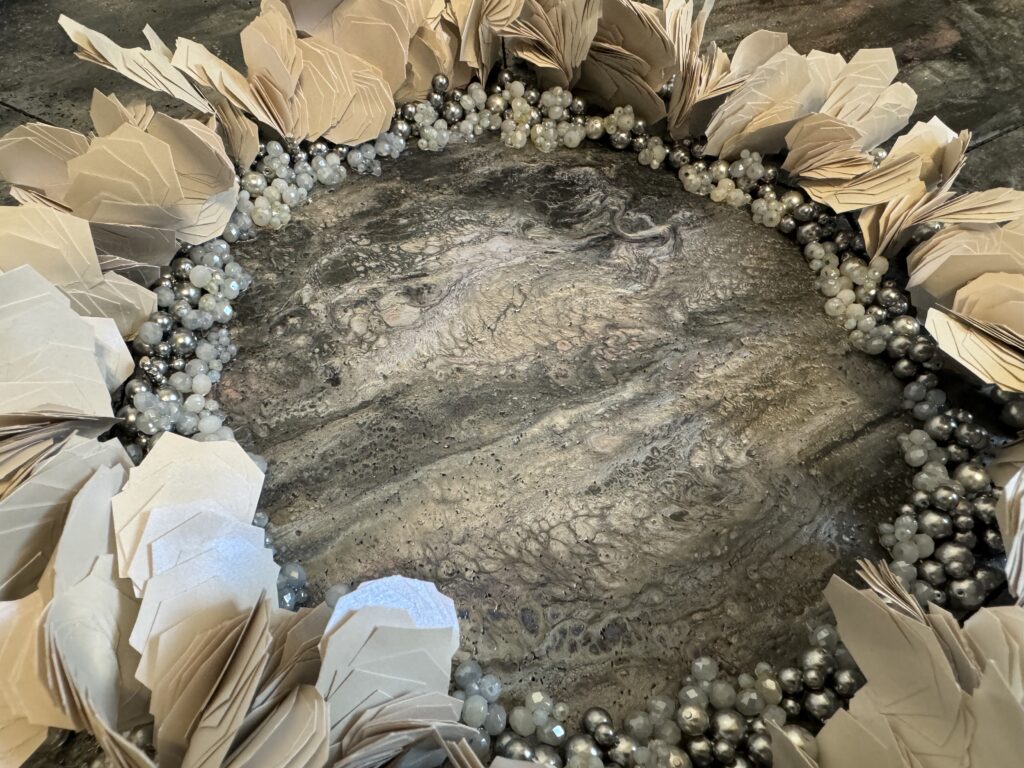
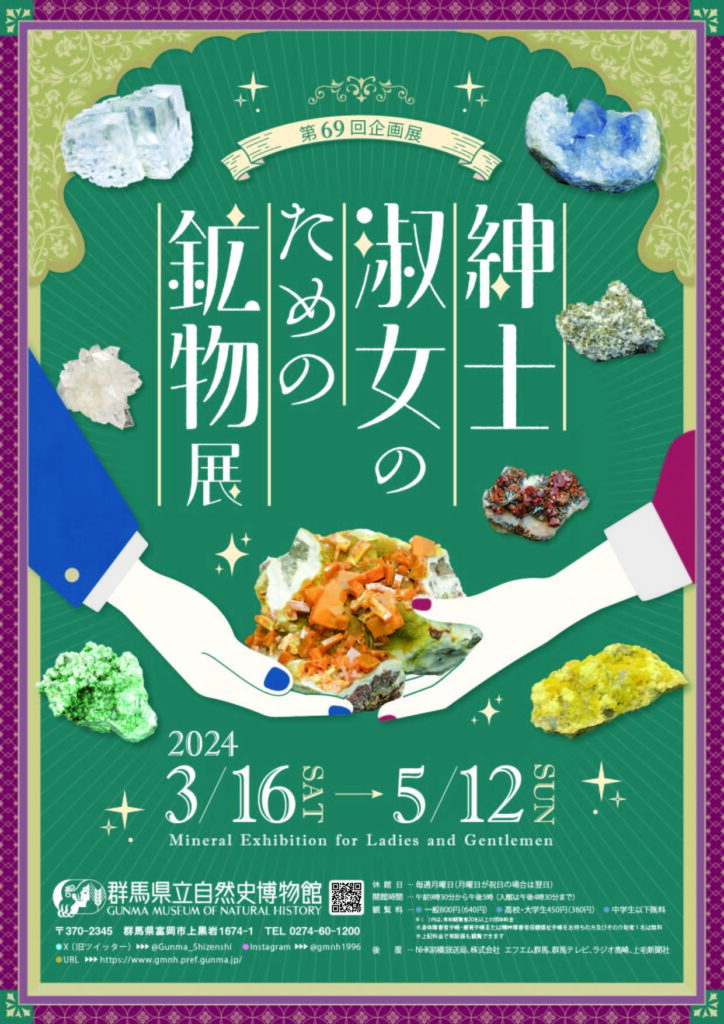
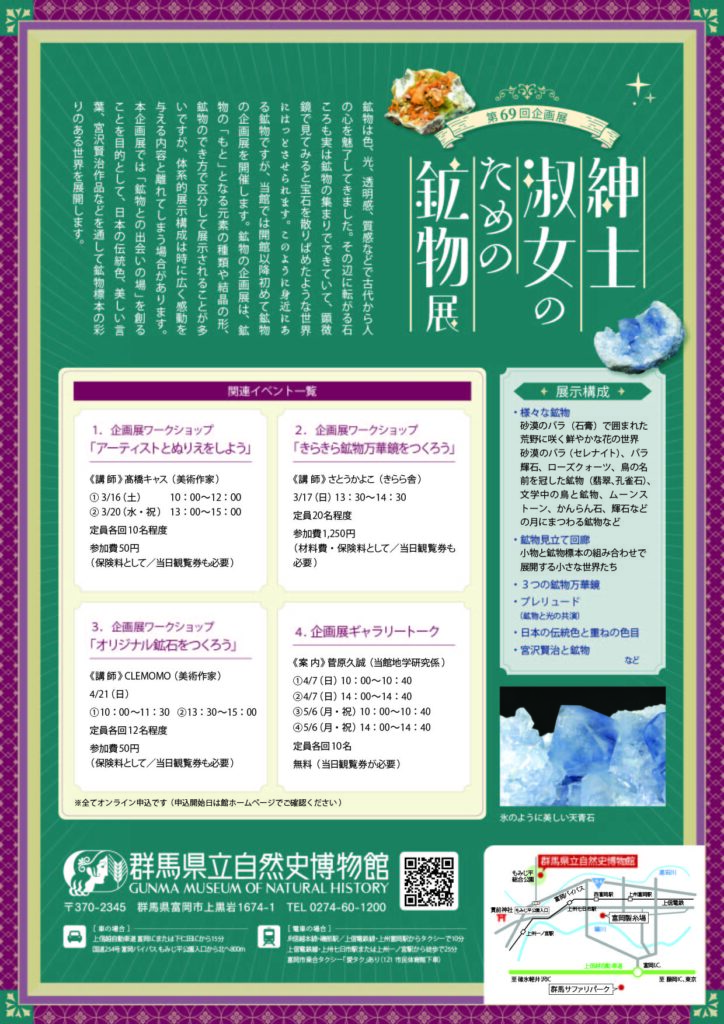
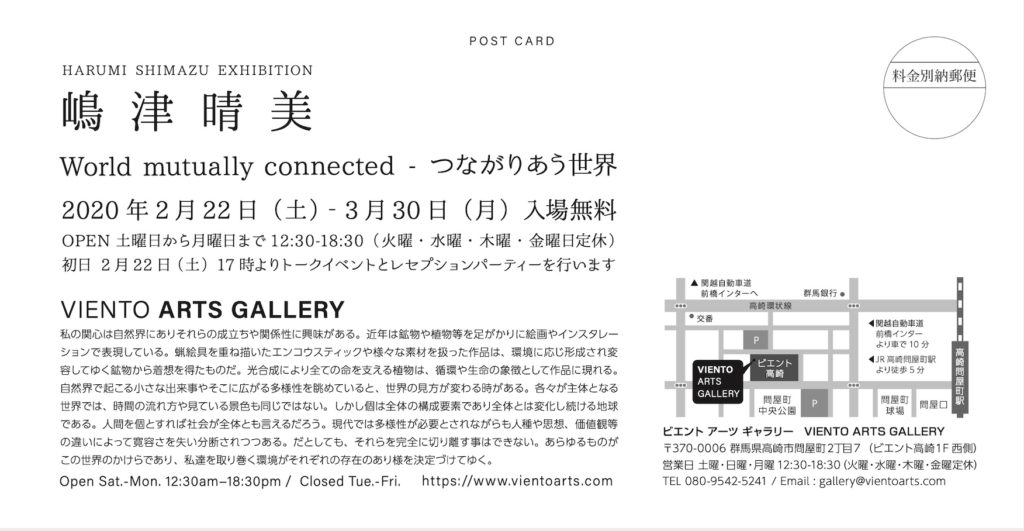
群馬県立自然史博物館の企画展「紳士淑女のための鉱物展」(2024年5月12日まで)にて展示中の作品「拵え鉱物」について。キャプションにて前述しましたが、今回は身近な物を鉱物に見立てて、各々に手を加え再構成し、空想の鉱物を拵え(こしらえ)ました。
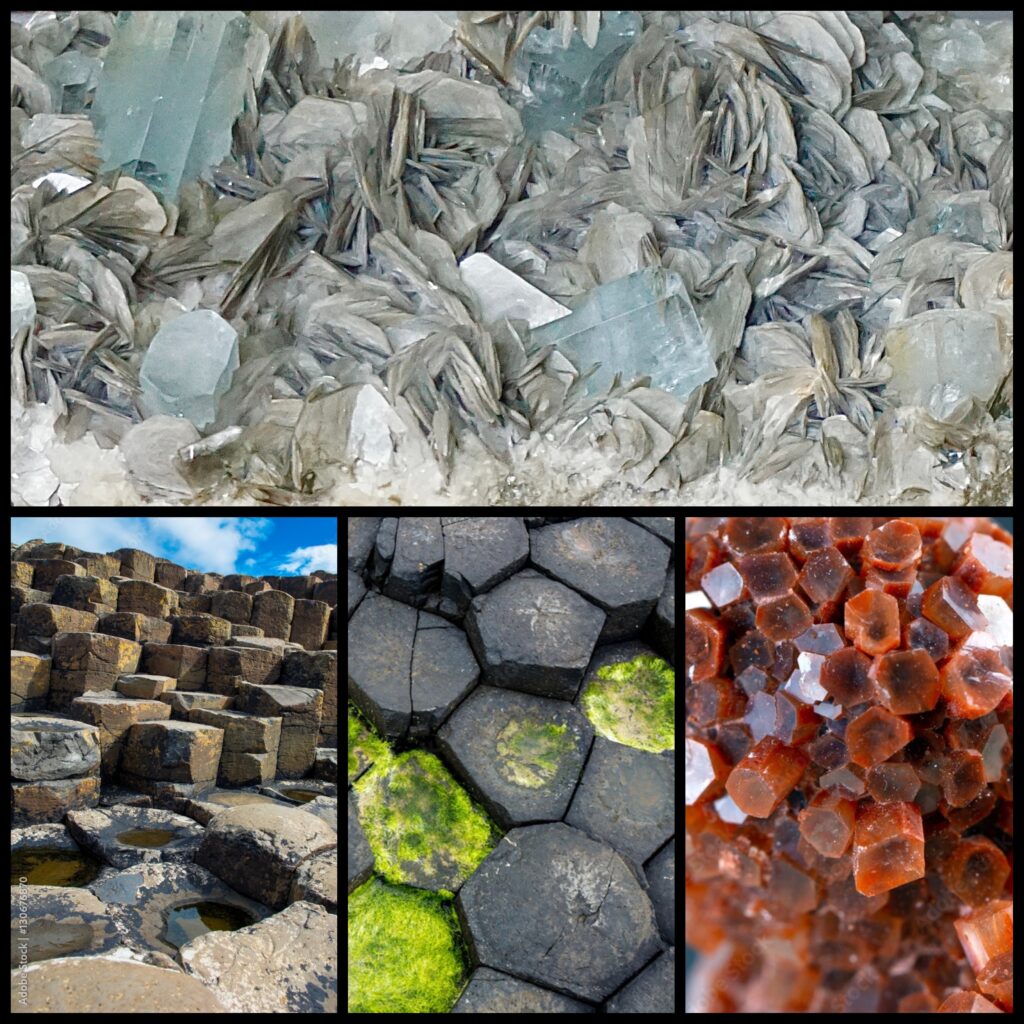
企画書を頂いた時、展示構成のなかの「鉱物見立て回廊」という文字に目が止まりました。石好きならピンとくるのですが、様々な色や形、質感などを持つ鉱物を見ていると、ときに花や卵や菓子に見えたり、石の中に木立や海や宇宙が見えたり、はたまた細胞や血管のようだと思えるものもあります。鉱物標本をなにかに見立てて、標本以上のなにかに意識を広げようとするのだとしたら、一方の私は、身近なものを鉱物に見立てて、架空でありながらも鉱物的要素を含んだ拵え鉱物で応答しようと考えました。
そうなると見立てるということにフォーカスした状態で、日常で目にするものが脳内の引き出しに入れておいた色々なイメージとつながっていきます。
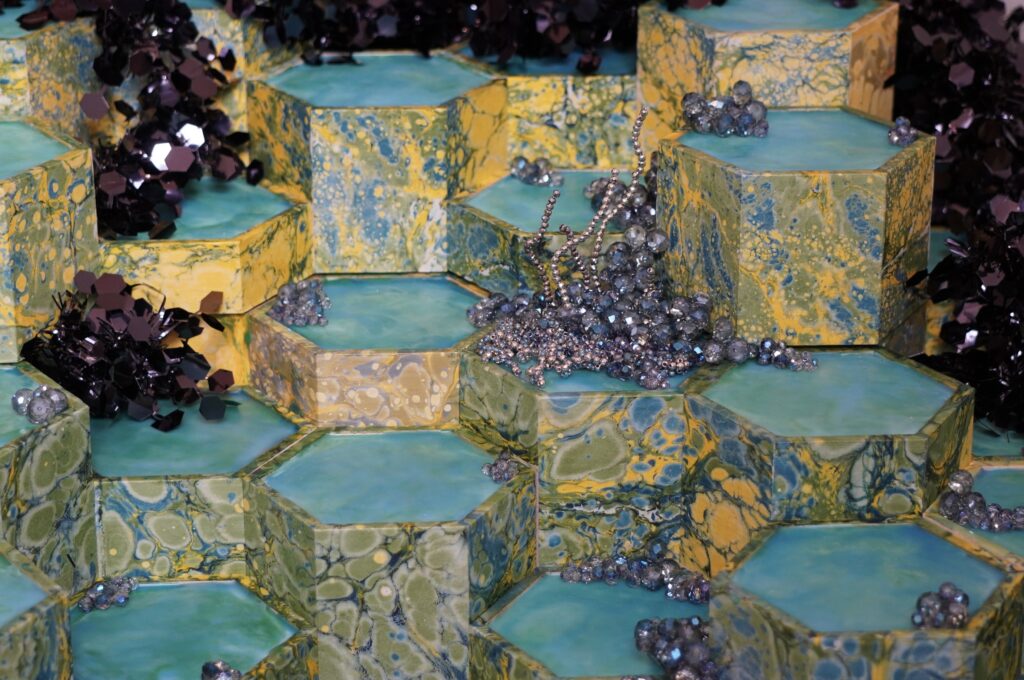
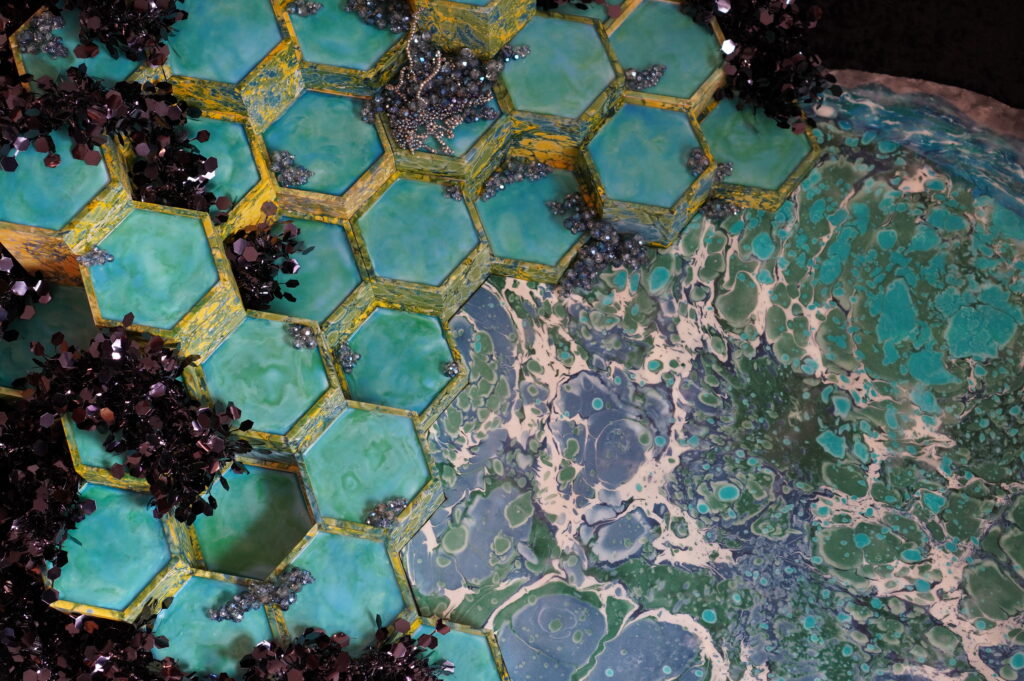
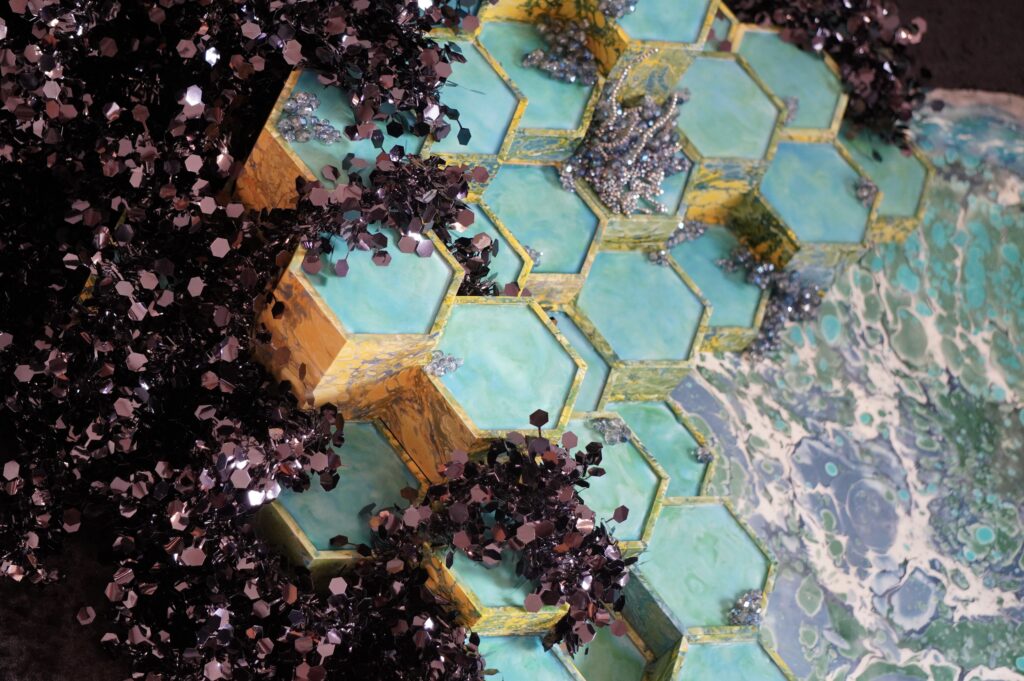
店先で大量に積み上がっている六角柱のペン立てをみれば、柱状節理だね。と思ったり
黒光りした飾り用のガーランドをみれば、結晶が密集してるよね。と思ったり
六角柱の隙間からガーランドを所々だして、結晶はすきまに入り込んで成長するもんね。と思ったり
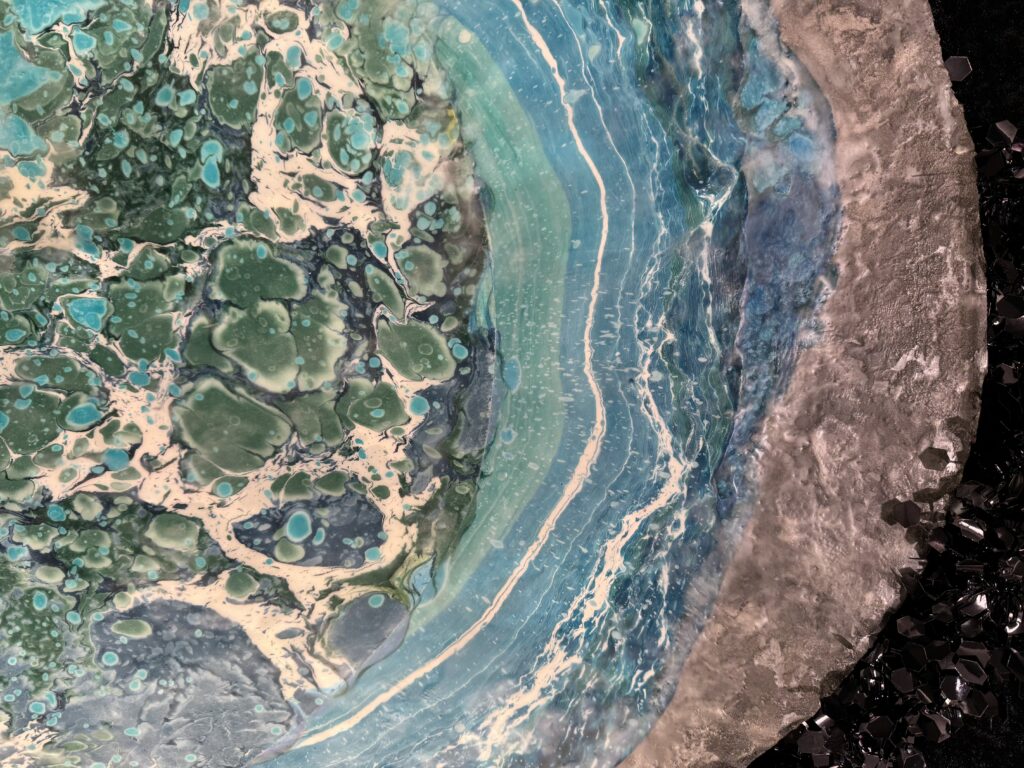
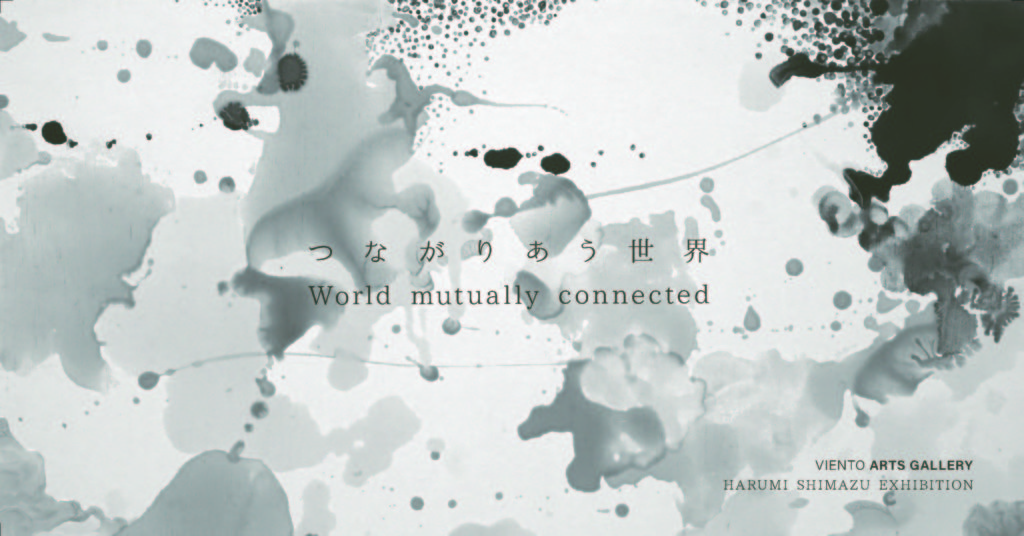
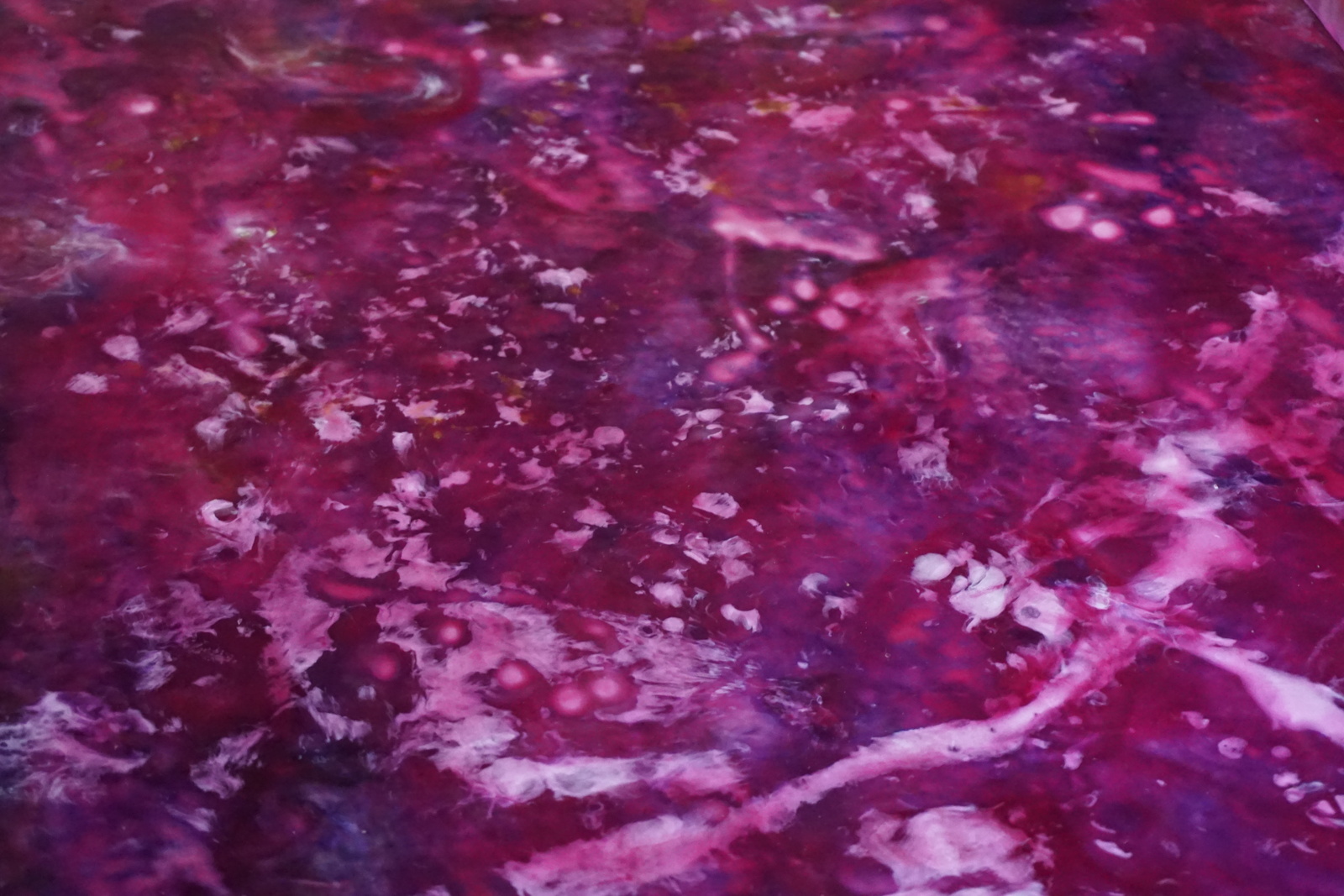
これまでもよく作品に登場するマーブリングの繊細な模様は瑪瑙のようだなと思っています。こちらは糊状の溶液に落とした絵具の広がりや押し合う力で生み出される模様を紙に写し取り、組み合わせ、溶かした蜜蝋を染み込ませて紙の素材とは違う質感に仕上げています。
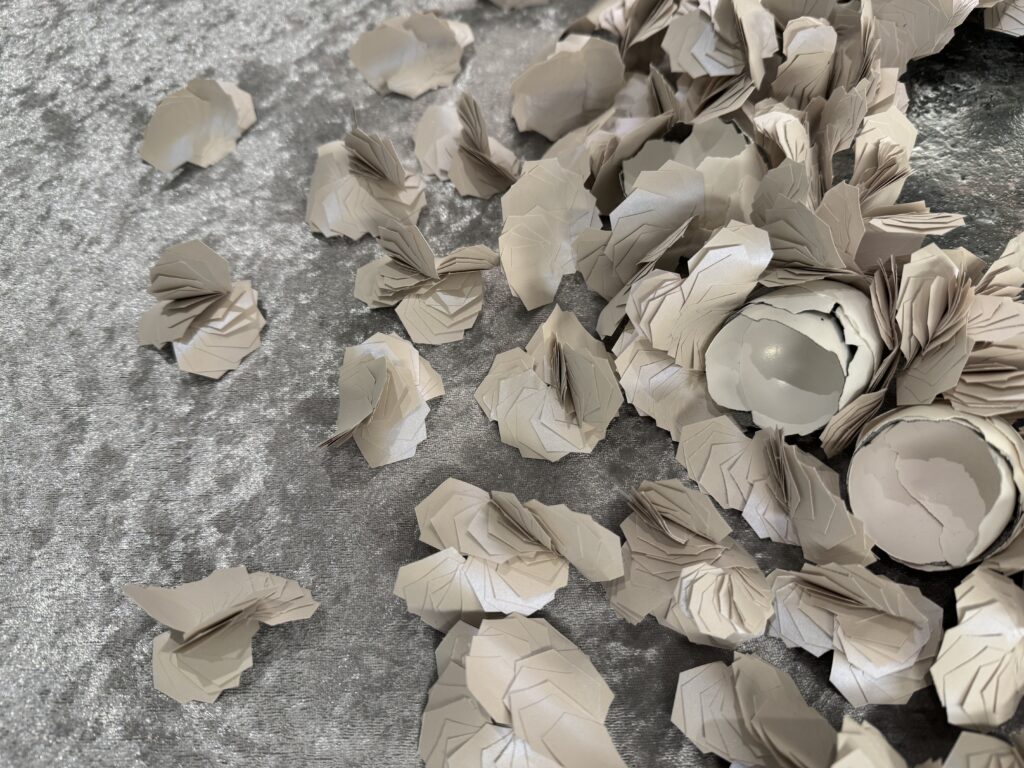
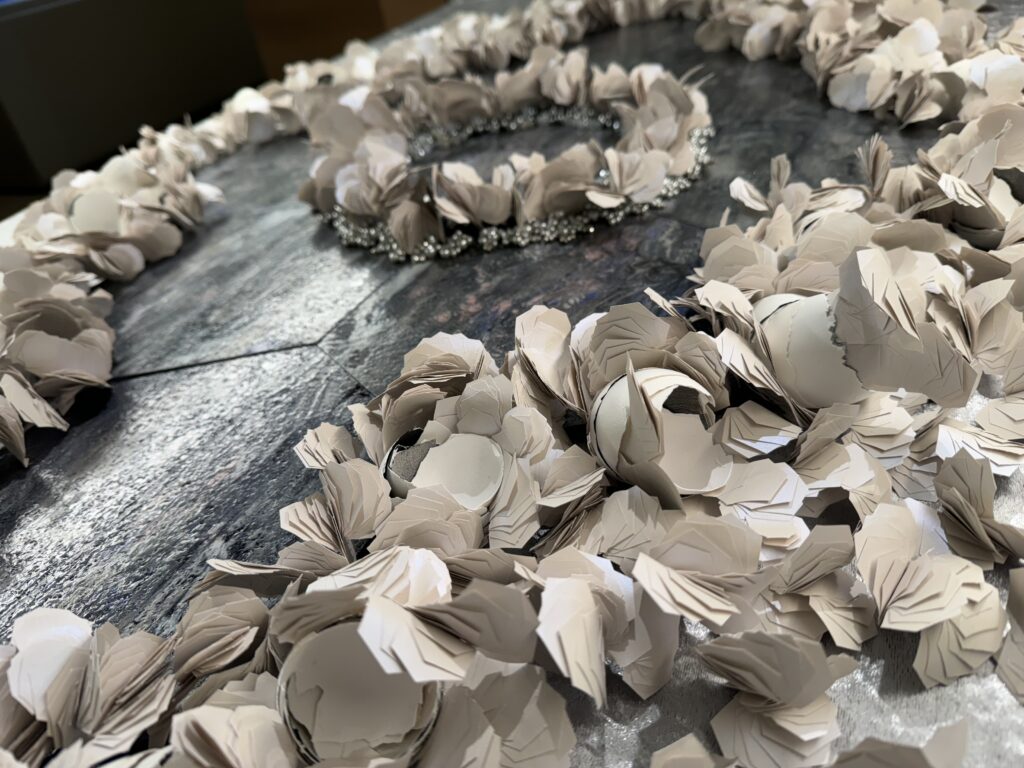
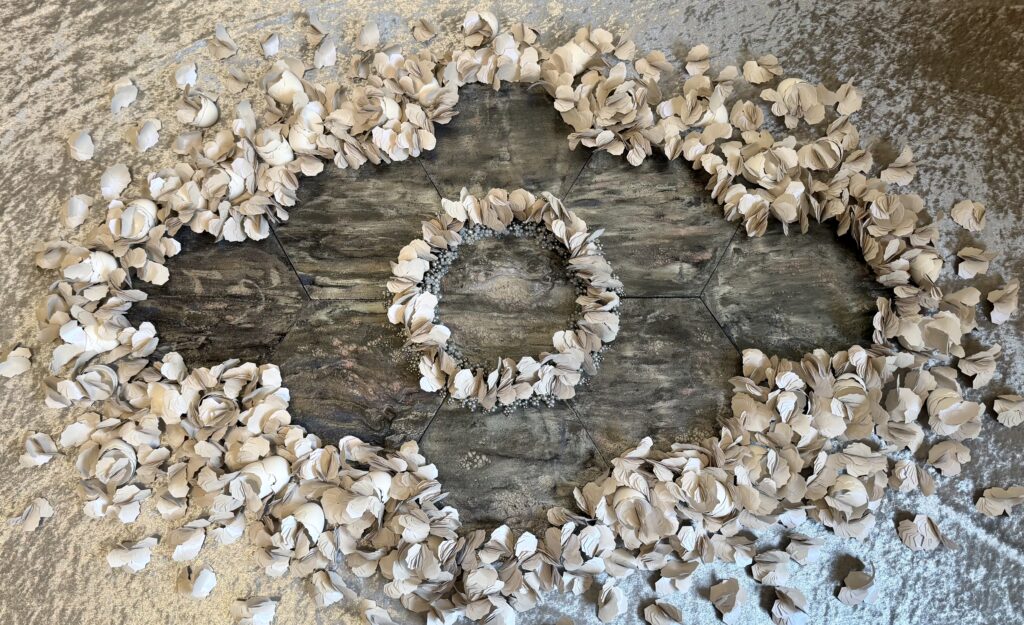
雲母の結晶のような紙の集積は、規則的でありながら一つも同じ形のないものとして、紙を手切りし1枚1枚糊付けし密集させています。同心円状に薄い層が重なり風化した瑪瑙に見立てた卵と共に構成しました。1年間食い貯めた卵の殻や紙の制作には途方もない時間がかかっていますが、結晶が成長する時間を考え、その日々の時間も加味したかったのです。こちらの母石となる土台はコルク素材にとろみのある絵の具を流したり引っ張ったりして描いています。コルクの粒々や小さな穴に絵の具が沈んだり引っかかったりする様子もまた、鉱物が成り立つひとつの要素と似ています。ビーズなどはそのままで結晶に見立てることもできなくはないですが、転がしておくだけではやはりビーズにしか見えず、ランダムな方向づけをして多角的に光を捉えることができるようにしています。
今回は鉱物展のための作品だったため、鉱物に絞りきって制作しました。制作期間に余裕があったこともあり、様々なパターンを試す事ができてとても楽しく、最終的にどう落とし込むか絞っていくのに試行錯誤しました。アイディアがたくさんでてきて、拵え鉱物シリーズはまだまだ作れそう!
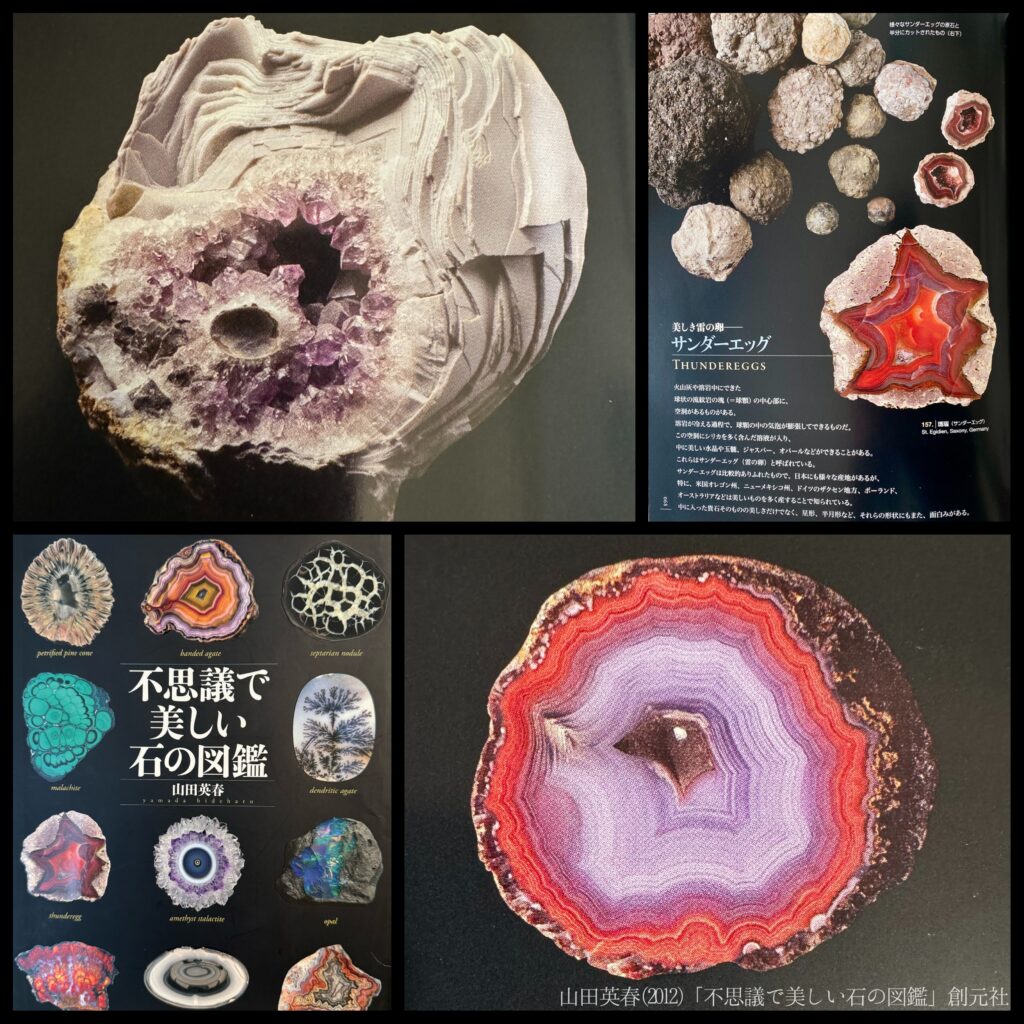
私にとって鉱物はとても魅力的です。知れば知るほど多角的にモノを見たり考えたりする機会を与えてくれます。ただただビジュアルの美しさを堪能することもできるし、一つの母岩に多数の結晶が育っているさまを通して多様性を見ることができたり、動かぬものとしての石ではなく私達人間とは全く違う時間の流れのなかで成長し変容しているという事を眺めることができたり。物言わぬ石だと思っていたものには、膨大な土地のデータが内包されていたり。
今回の紳士淑女のための鉱物展では標本の見せ方もとても工夫がなされていて、いままで石に全く関心のなかった方々にも興味を持っていただけるような、そんな企画展になっていると思います。図録もとても丁寧につくられていて、どなたにでもわかりやすく様々な鉱物の魅力が伝わるように解説されています。また鉱物の採掘にまつわる問題点などにも触れられています。私の作品も載せて頂けてめっちゃ幸せ。ぜひ会場にお越しになられた方はお手にとってみてください。ショップにありますが高橋キャスさんの塗り絵コーナーでもご覧いただけます。
そういえば、ブラッド・ダイアモンドという実話に基づいた紛争ダイアモンドの映画がありましたね。こちらはディカプリオ主演で内戦が続く90年代のアフリカが舞台となっていて、採掘場での強制労働や少年兵となんとも重いストーリーですがとてもいい映画で心揺さぶられます。泣いちゃうけどもう一度見ようかな。